A Place in the Sun
Genti Korini
Curated by:
Małgorzata Ludwisiak
Albanian Pavilion 61st International Art
Exhibition ― La Biennale di Venezia
Arsenale, May 9 - November 22, 2026
A Place in the Sun: Staging the Unknown
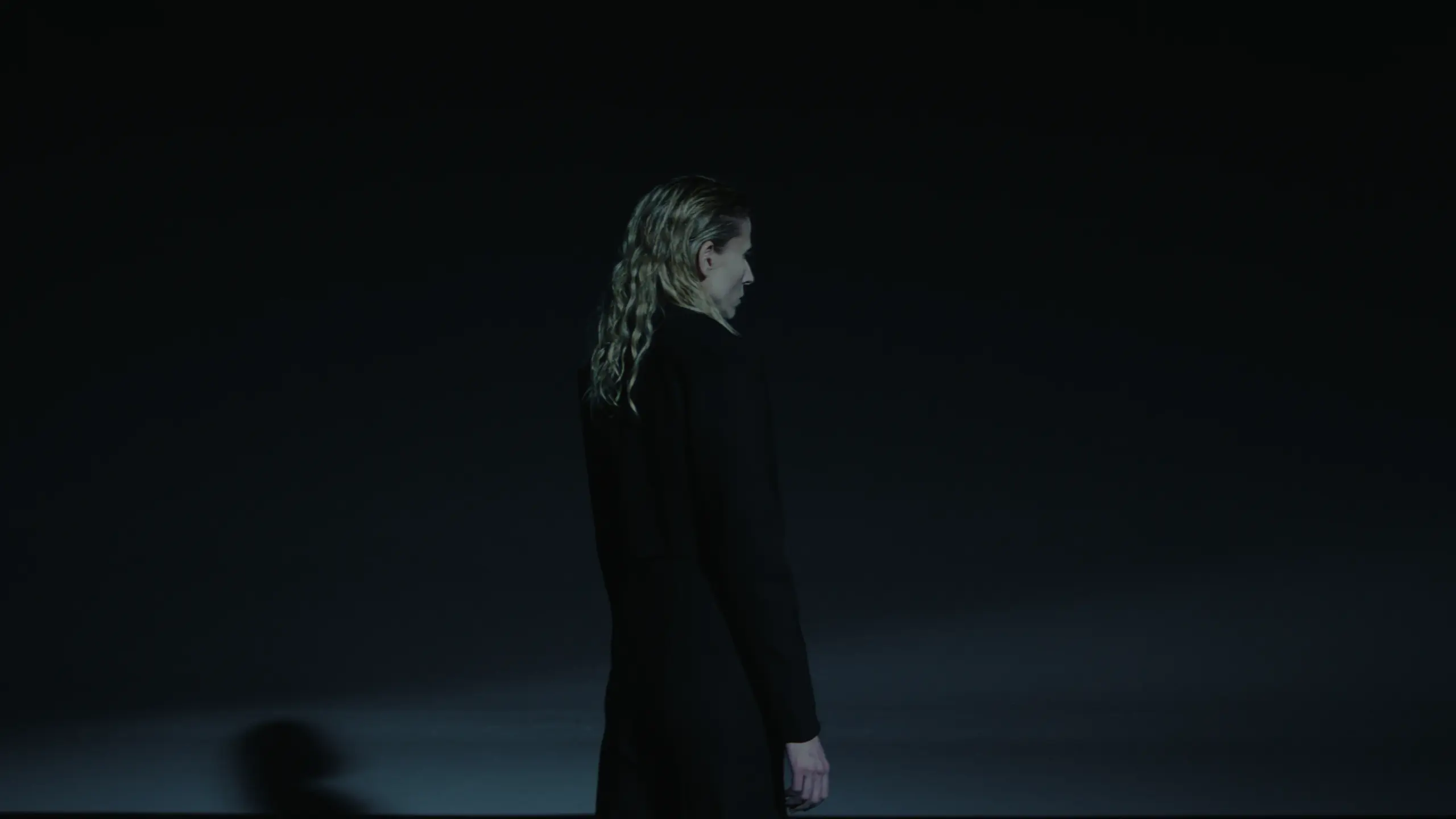
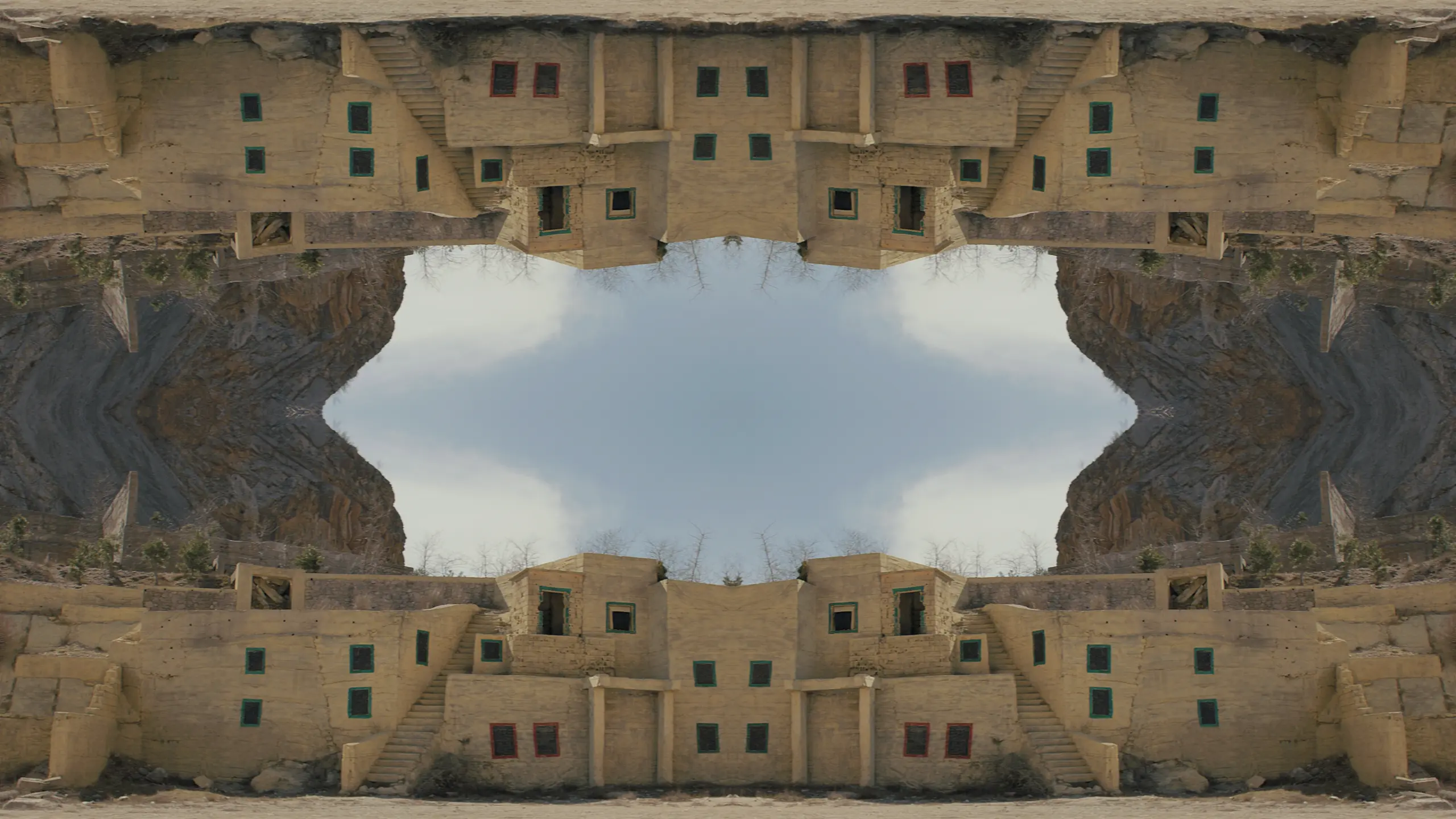
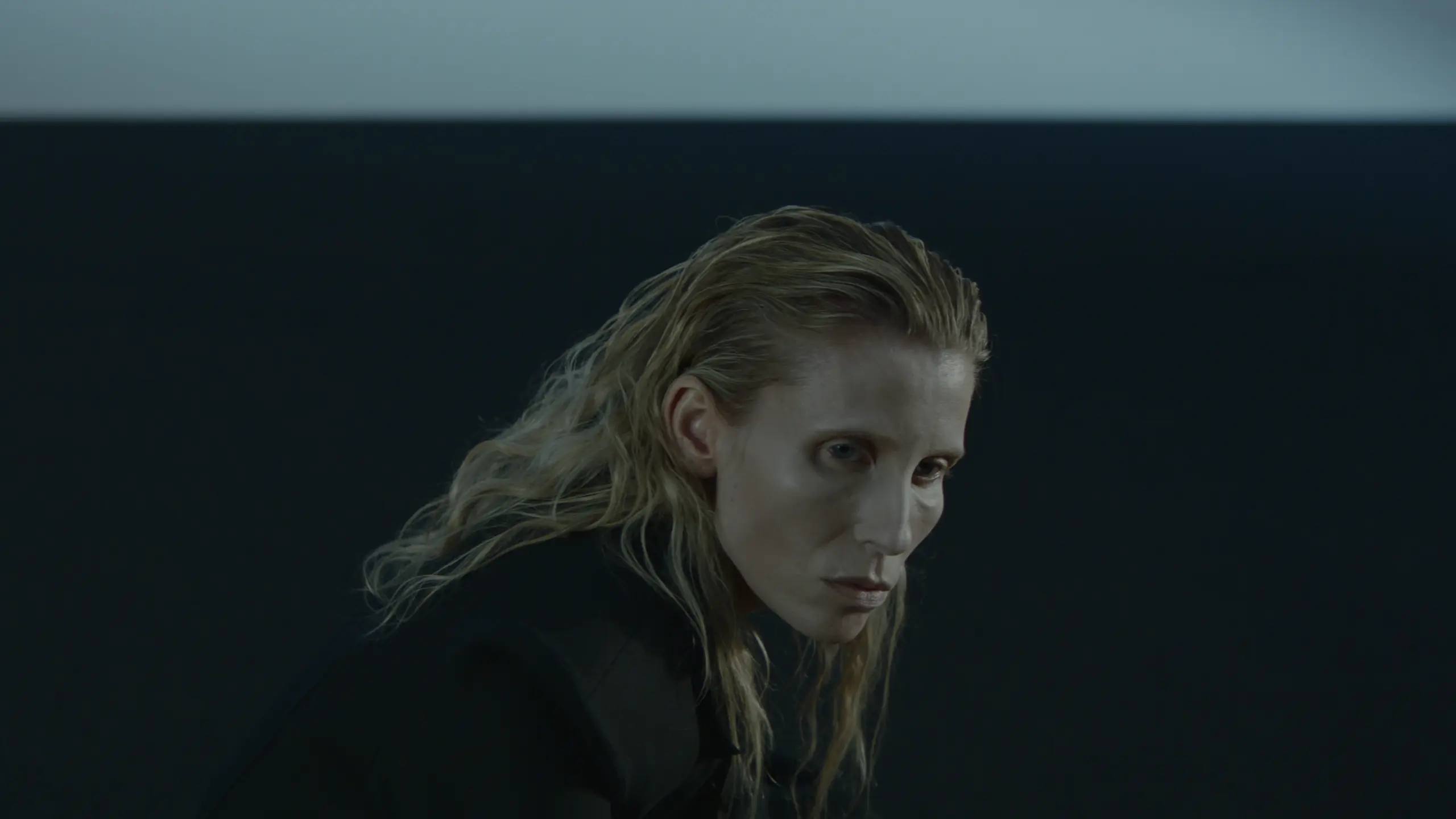
A Place in the Sun is a hybrid video work, where live acting, puppetry, 3D animation and an original sonic score converge to form a fictional theatre staged in Zaum — the transrational experimental language of the early twentieth-century avant-garde. Zaum was created as a “pure language” without any grammar or syntax rules, meant to decompose the social order.
The work of Genti Korini unfolds against the backdrop of the Bloodless Murder magazine and its Albanian Issue (1916), published by an avant-garde group based in Petersburg. It satirized the nationalist and imperial views on Albania, portrayed through a prism of exoticism and Orientalist fantasy in the book of Janko Lavrin In the Land of Eternal War: Albanian Sketches (1914). The magazine became a point of reference for the absurdist theatre play Yanko I, the King of Albania, performed in Zaum language in a private studio in Petersburg. Within this exoticizing gaze, Albania emerges simultaneously as a romanticized frontier and a stage for civilizational hierarchies, revealing more about the anxieties and ambitions of its foreign observers than about the country itself. It was portrayed as a non-place – a distant planet: irrational, primordial, obscure, incomprehensible.
A Place in the Sun refers to a recently discovered, marginal avant-garde group and its magazine from over a hundred years ago, using the unknown to tell a story about the unknown. The work, on the one hand, takes Albania as a case of a “somewhere place”, invariably defined by external and internal projections about it. On the other hand, it becomes a poetic expression of all invisible cultures and minor languages.
Genti Korini’s video installation sets the stage for a speculative fiction, where history, fantasy and ideological imagination overlap, meeting in a place where the sun sets or rises over an undefined horizon. The disintegration of what is meaningful in the language, brought by the irrationality of Zaum, allows one to pose questions about the condition of the contemporary world, with its current populisms and anxieties about the future. The artist links the disquiet of the present to the unsettled dreams of a century ago, when borders, language and identities were in flux.
– Matgorzata Ludwisiak